The new year is a fresh start for many companies—and also one of the busiest hiring periods. New budgets are approved, new projects begin, and departments are often under pressure to add staff quickly. But speed comes with risk. If you’re hiring new employees this January, there’s one step you shouldn’t treat as optional: verification.
This is why background checks matter. They help you confirm that the candidate is who they say they are, that their qualifications are genuine, and that there are no hidden issues that could harm your business after onboarding. In short, background checks protect your people, your money, your reputation, and your clients.
Why Background Checks Matter More During New Year Hiring
When hiring increases, mistakes increase too. Recruitment teams often deal with:
-
Many open roles at once
-
High volumes of CVs
-
Tight deadlines from management
-
Faster onboarding timelines
In this environment, it becomes easier for misrepresentation to slip through. That is why background checks matter most during peak hiring seasons. The cost of a wrong hire can be far bigger than the cost of running a proper check—lost productivity, damaged client trust, fraud risk, compliance issues, and in some cases legal exposure.
Why Background Checks Matter: Misrepresentation Happens More Than Employers Expect
Not every candidate lies, but many candidates exaggerate. Common issues include:
-
Fake or altered academic certificates
-
Inflated job titles or responsibilities
-
Gaps hidden by “consulting” claims
-
Referees who are friends instead of supervisors
-
Unclear reasons for leaving previous jobs
The danger is that these issues often become visible after access is granted—systems, finance tools, sensitive data, or client relationships. That’s why background checks matter before signing off on onboarding.
Why Background Checks Matter: What You Should Verify for Every New Employee
A good background check doesn’t need to be complicated. It needs to be consistent, role-appropriate, and done early.
1) Identity Verification
This confirms the person is genuine and reduces the risk of identity fraud.
Why background checks matter here: you prevent situations where you onboard someone using another person’s details or inconsistent documentation.
2) Education & Certification Verification
Confirm that degrees, diplomas, and professional certifications are authentic and match what was claimed.
Why background checks matter: education fraud is one of the most common forms of CV misrepresentation, and it can expose your company to reputational and performance risk.
3) Employment History Verification
Verify employer name, role, dates, and (where available) reason for leaving.
Why background checks matter: it prevents “CV padding” and helps confirm the candidate has the experience needed to perform.
4) Criminal Record / Police Clearance (Role Dependent)
This is important for roles involving trust, safety, finance, or sensitive environments.
Why background checks matter: it reduces the risk of bringing in someone whose history may put clients, staff, or assets at risk.
5) Structured Reference Checks
Do reference checks using standard questions instead of casual calls.
Why background checks matter: structured reference checks reveal patterns—integrity, reliability, work ethic, and real performance—rather than just confirming someone “worked there.”
6) Credit/CRB Checks (Where Relevant)
Especially useful for finance, procurement, cash handling, and senior accountability roles.
Why background checks matter: it provides another risk indicator and supports stronger governance (used responsibly and fairly).
Why Background Checks Matter: A Simple Policy for Faster New Year Hiring
A smart way to keep hiring fast is to define checks by risk level.
Minimum checks (for all hires)
-
Identity verification
-
Education verification (if claimed)
-
Employment verification (recent employer)
-
At least 1 structured reference check
Enhanced checks (for higher-trust roles)
All minimum checks, plus:
-
Criminal record / police clearance
-
Credit/CRB check (where relevant)
-
Sanctions/PEP screening (where relevant)
-
More employer history checks (2–3 employers)
This is why background checks matter as a process: you remove guesswork, speed up approvals, and apply the same standards consistently.
Why Background Checks Matter Without Slowing Down Hiring
Background checks don’t have to delay onboarding if you run them in parallel.
A practical workflow
-
Interview and shortlist
-
Make a conditional offer (subject to verification)
-
Get candidate consent Data Protection
-
Start checks immediately
-
Grant access in stages (limited access first, full access after clearance)
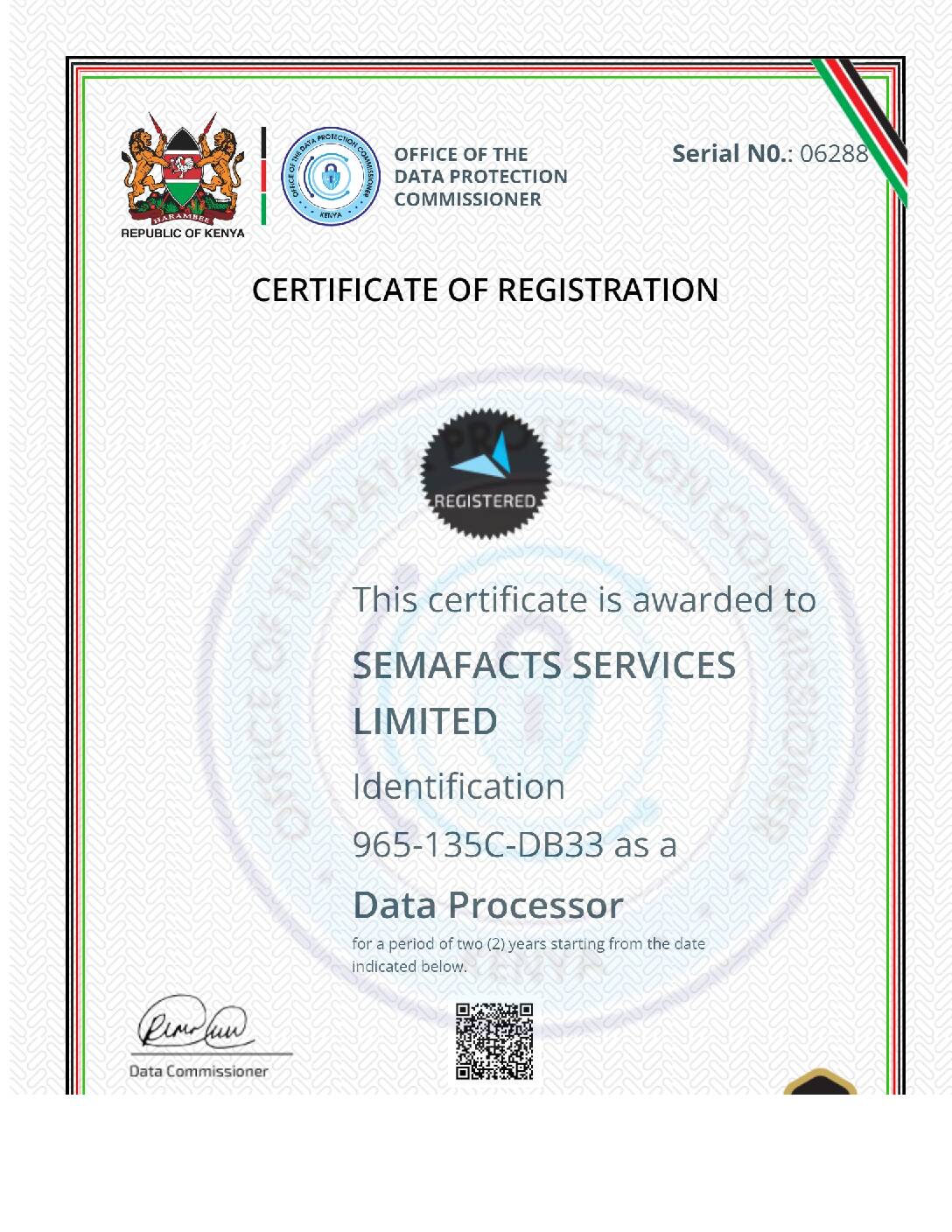
This approach shows why background checks matter: you protect the business while still moving fast. semafacts advice to Kenya data protection guidelines.ODPC
Why Background Checks Matter: Red Flags You Should Never Ignore
Background checks also help you spot warning signs early, like:
-
Names that don’t match across documents
-
Institutions that can’t be verified
-
Employers who refuse to confirm employment details
-
Candidates who avoid providing consent or documents
-
Referees who can’t confirm basic performance information
One red flag may not always mean “reject,” but it always means “verify deeper.” That’s why background checks matter.
Conclusion: Why Background Checks Matter for Starting the Year Strong
The new year is a time to build teams, launch plans, and grow. But growth must be protected. Why background checks matter is simple: they reduce hiring risk, confirm the truth, and help you hire with confidence.
If you’re hiring new employees this year, make verification part of your process—not an afterthought. Background checks are a must.
Reach out to Semafacts for trusted and reliable background checks services. Contact Us